When I started making natural skincare products, I knew I didn’t want to focus only on what goes inside the jar. I also wanted to think carefully about what happens after the product is finished.
Because packaging matters.
For anyone trying to live a more zero waste lifestyle, it can be frustrating to find a product you love, only to be left with packaging that creates more rubbish. That’s why I’ve been slowly and carefully choosing better options for Karolina Naturals – home compostable skincare packaging or packaging that can be composted, recycled, returned, reused, or kept in the loop for as long as possible.
Table of Contents
Why I Choose Home Compostable Skincare Packaging
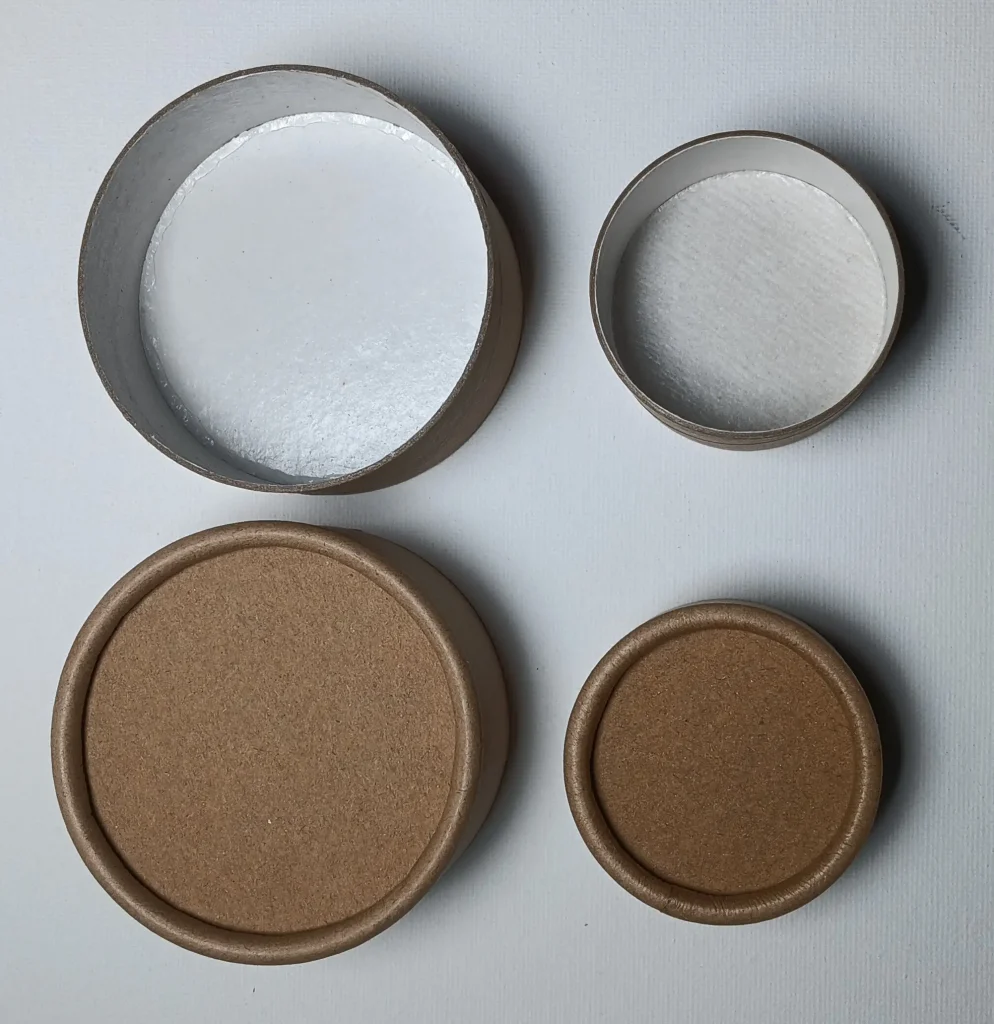
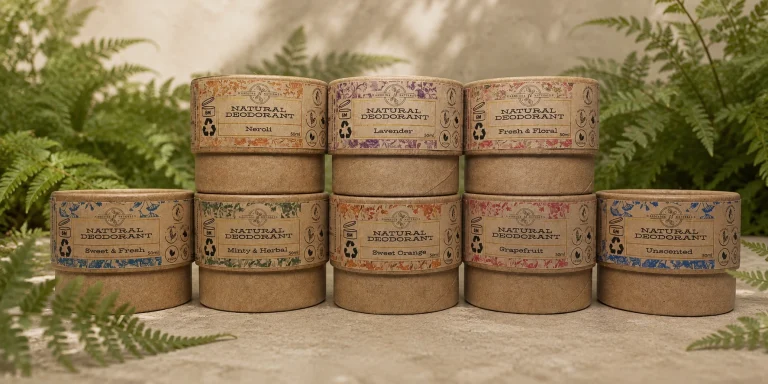
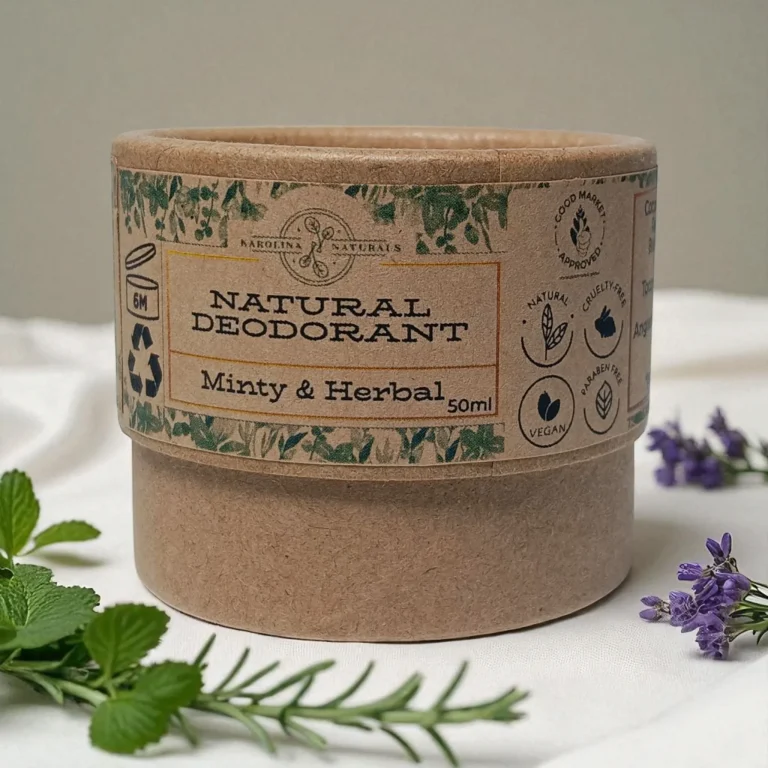
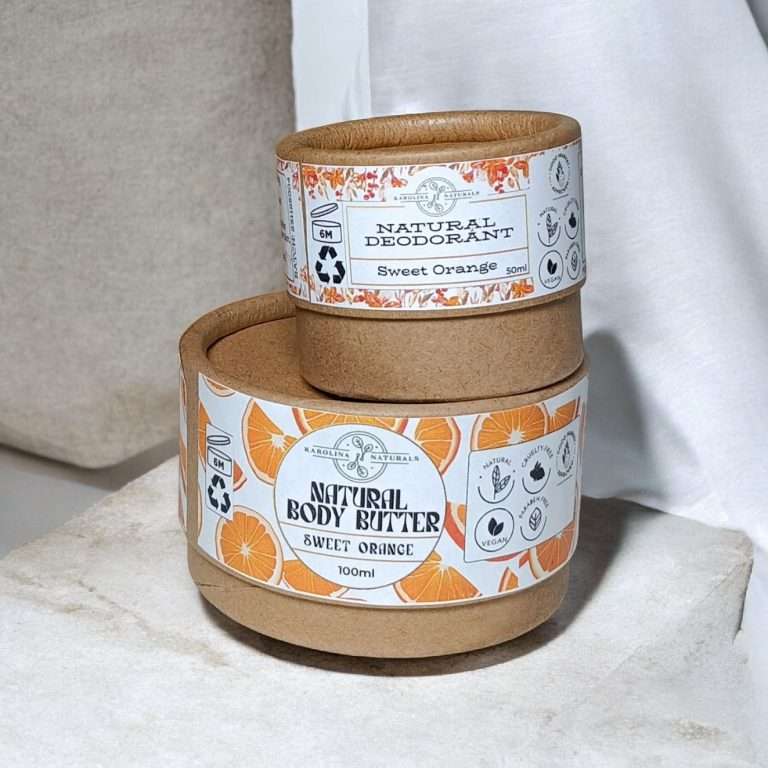
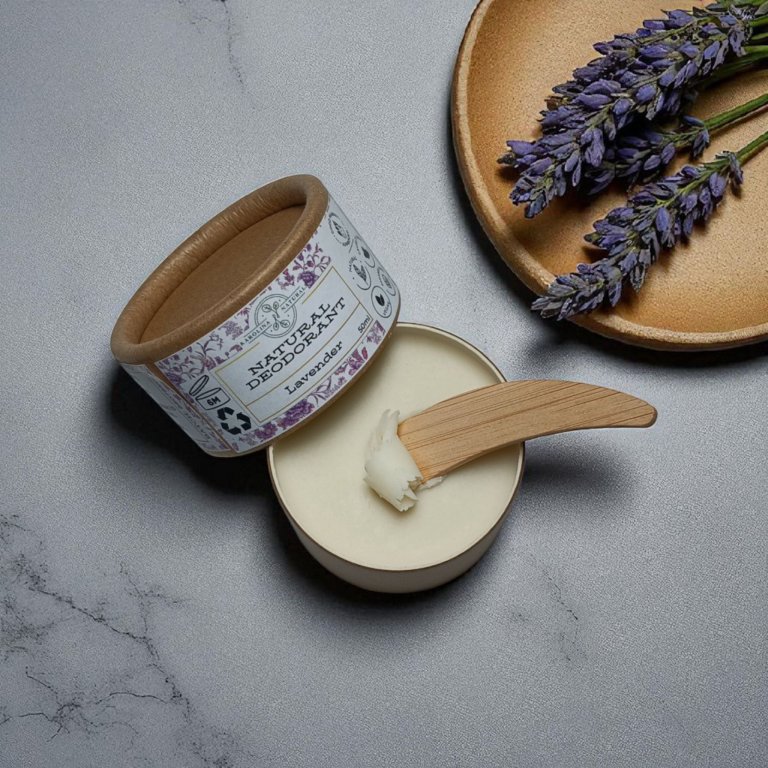
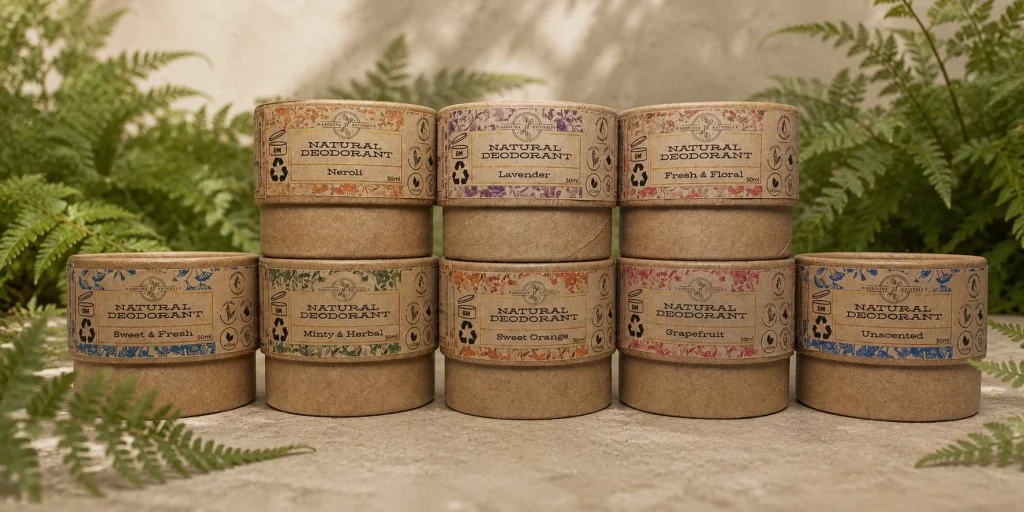
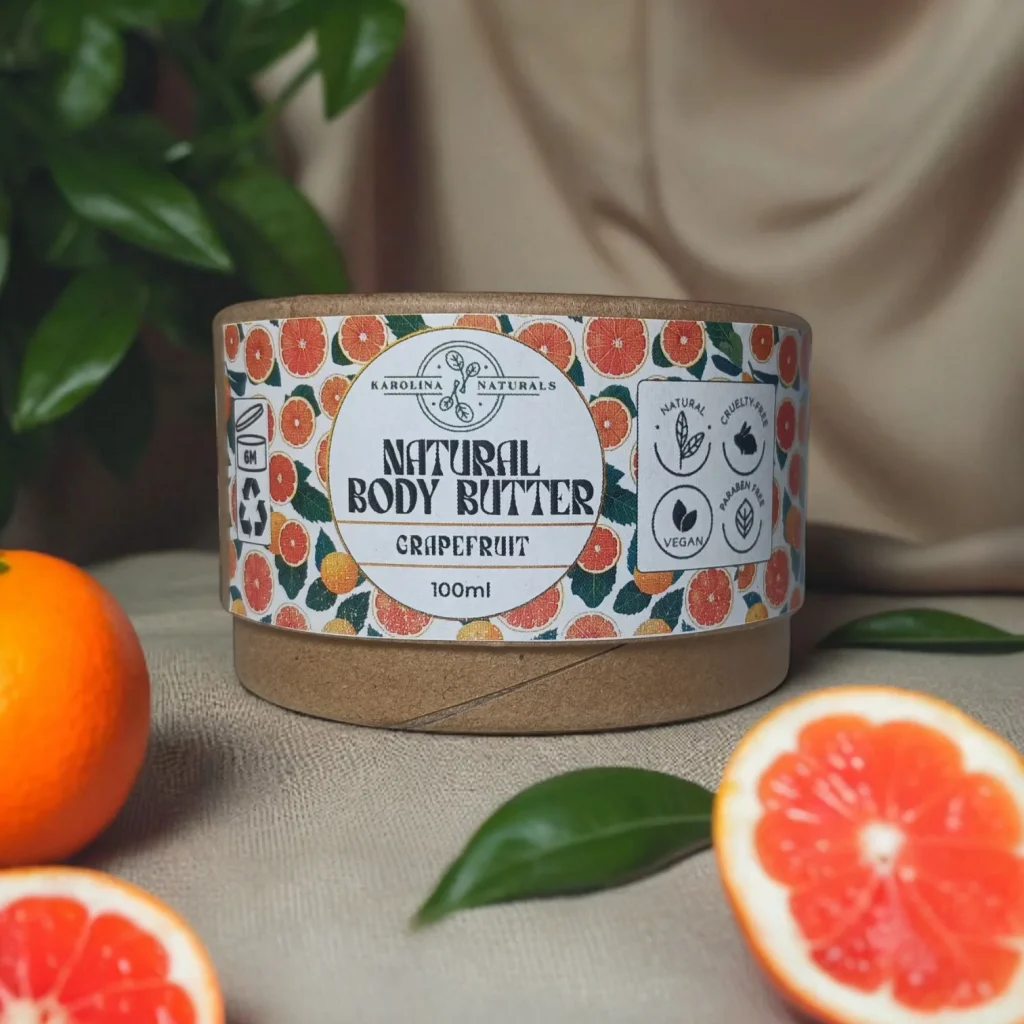
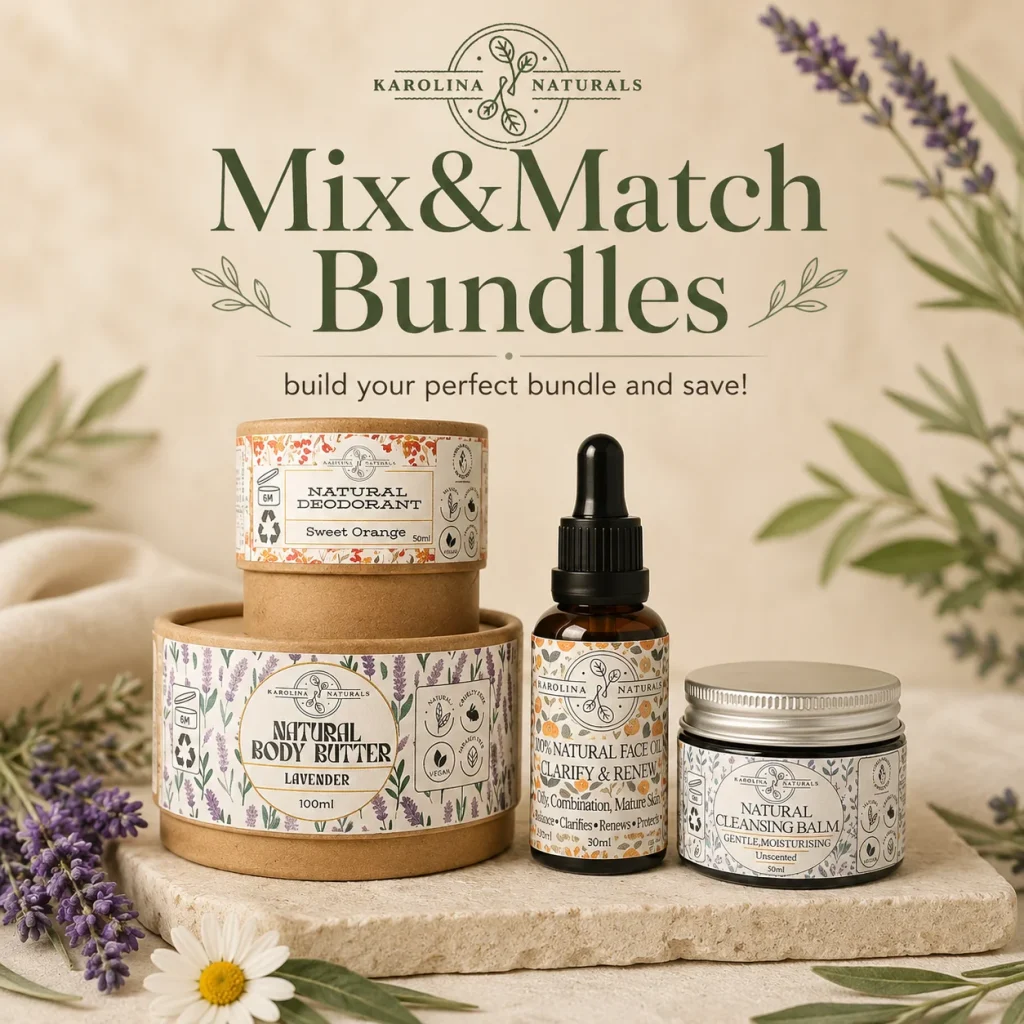
Some of my products, including deodorants and body butters, come in home compostable packaging.
It’s made from recycled cardboard and has an interior plant-based wax lining. It contains no plastic and uses plant-based glues.
I chose this because I wanted packaging that feels more aligned with a natural, low waste lifestyle. Something that doesn’t have to sit in landfill for years, and something that gives customers a better option when the product is finished.
But I didn’t want to just say the packaging was compostable and leave it there. I wanted to test it myself.
So I did.
I placed the packaging in my own home compost and checked how long it took to break down. In real home composting conditions, it took around 6–8 months to compost.
Here you can watch my short video showing step by step process
For me, that felt like a really positive step. It means that when the packaging is disposed of, it can return back to the earth instead of becoming long-term waste.
Recycling Is Good, But It Is Not Always Enough
Recycling is important, but I think we all know it isn’t a perfect solution.
In the UK, around 44–45% of household waste is recycled. Plastic packaging recycling is improving, but still only around half of plastic packaging is recycled. Globally, the situation is even more concerning – according to OECD figures, only around 9% of plastic waste worldwide is successfully recycled.
That means most plastic waste is still being sent to landfill, incinerated, or ending up somewhere it shouldn’t.
This is one of the reasons I believe we need better choices, not just more recycling. We need packaging that can be:
- composted at home
- reused
- returned
- refilled where possible
- recycled properly when there is no better option
Glass Jars, Aluminium Caps and Reusable Packaging
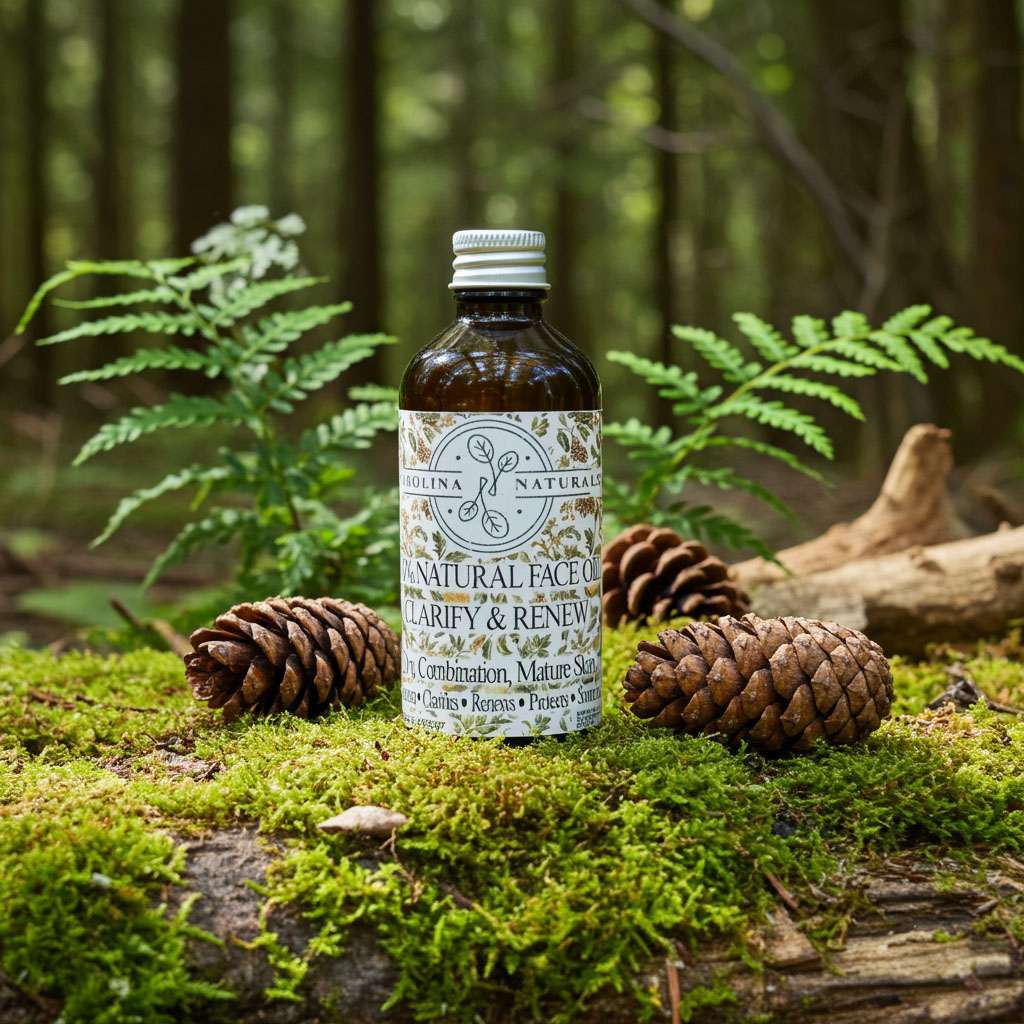
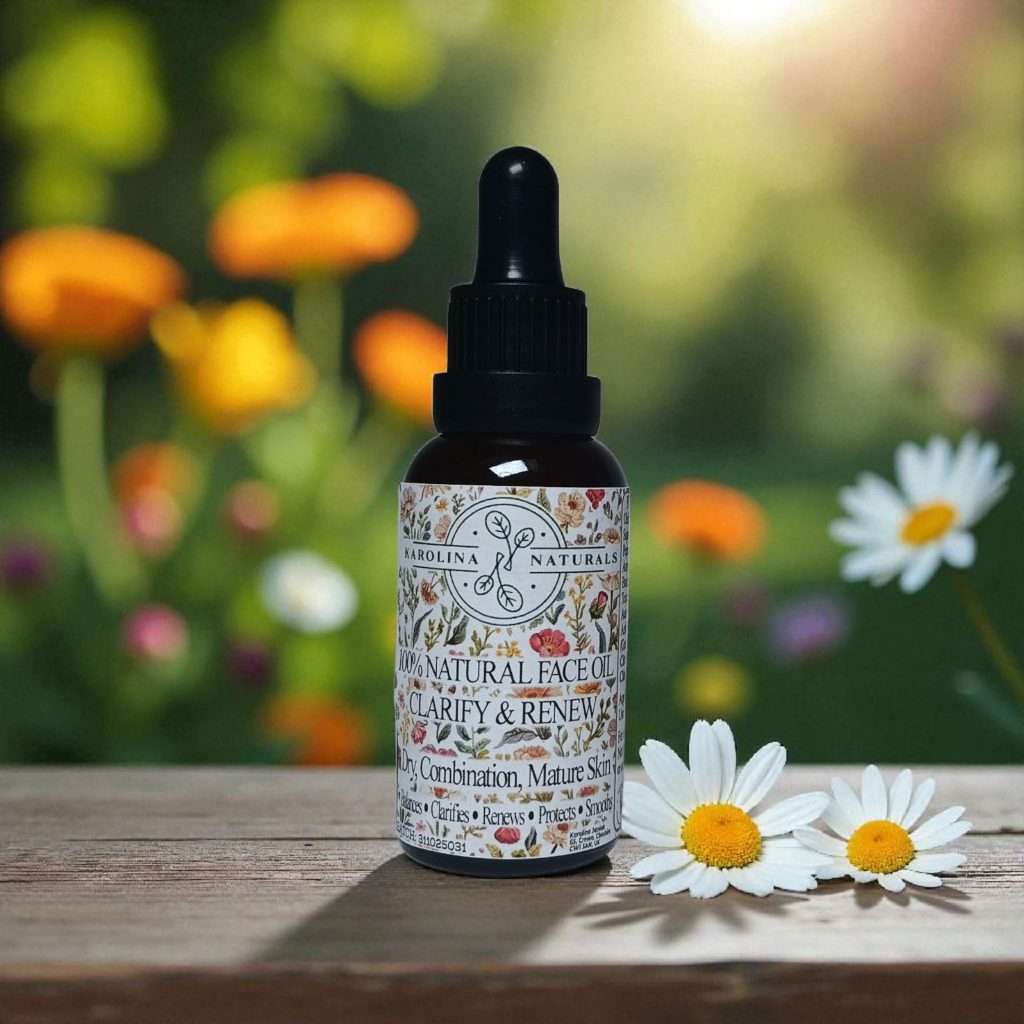
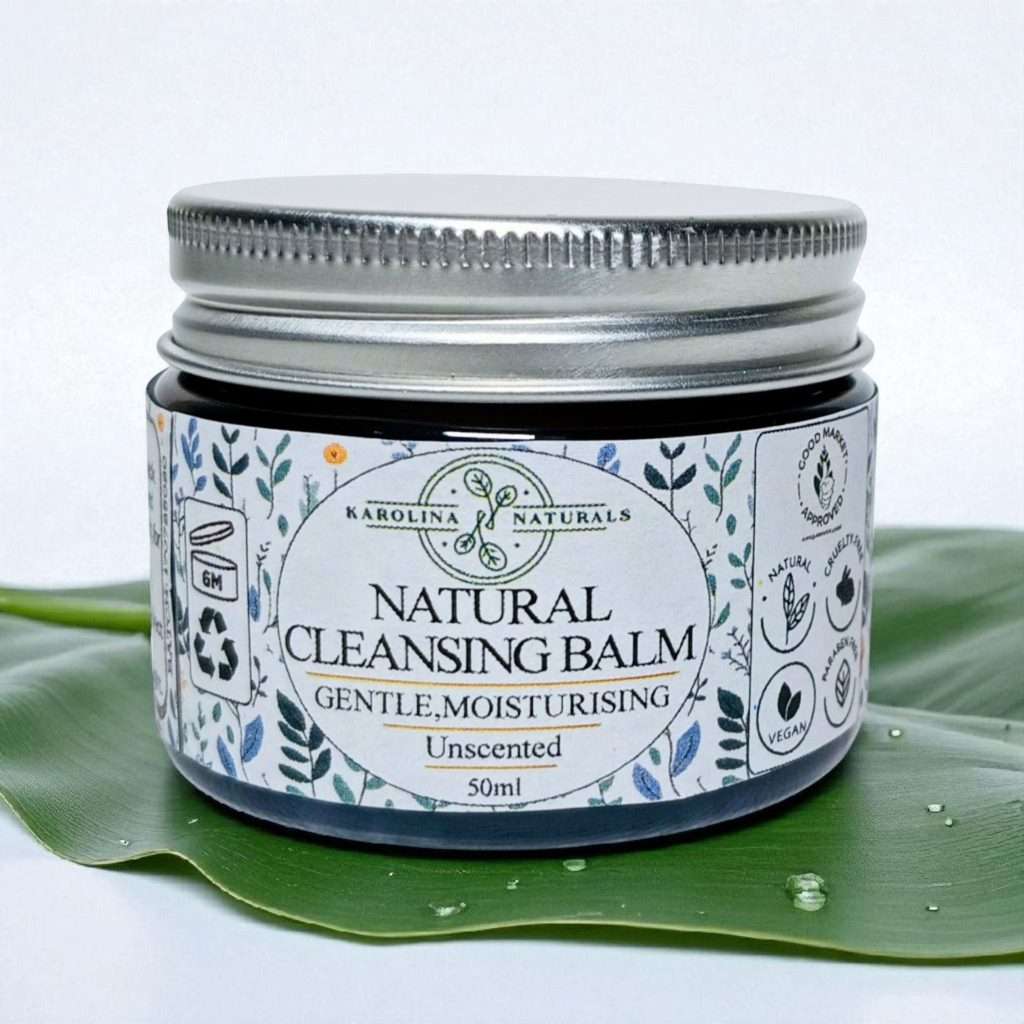
I also use glass jars and bottles with aluminium caps for many of my products because they are strong, reusable and fully recyclable. Glass and aluminium can both be recycled again and again, with aluminium being especially valuable because it doesn’t lose quality.
In the UK, glass recycling is actually quite good compared with many other materials – around 74–75% of glass packaging is recycled. But that still means around 1 in 4 glass bottles or jars may not be recycled.
Recycling systems also often work by weight and material value, so larger and heavier items can be easier to process efficiently. Small packaging pieces are more likely to get lost in the system, especially if they are not cleaned or sorted correctly.
That’s why reuse feels like a much better zero waste choice whenever possible. If a jar or bottle can come back to me, be cleaned properly and used again, it keeps the packaging in circulation for longer and reducing waste before recycling is needed.
My Glass Jar and Bottle Return Scheme
To help make my packaging more circular, I offer a simple return scheme.
If you collect 5 empty jars or bottles from my products, just send me an email or message me on social media.
I will organise a return for free, so the packaging can come back to me. I can then clean and reuse it, helping to keep it in the loop and reduce waste even further.
As a thank you, you will also receive 10% off your next order.
It is a small system, but it makes a big difference. Every jar or bottle that comes back is one less item going to waste, and one more piece of packaging being used again.
Composting Product Packaging at Home Instruction
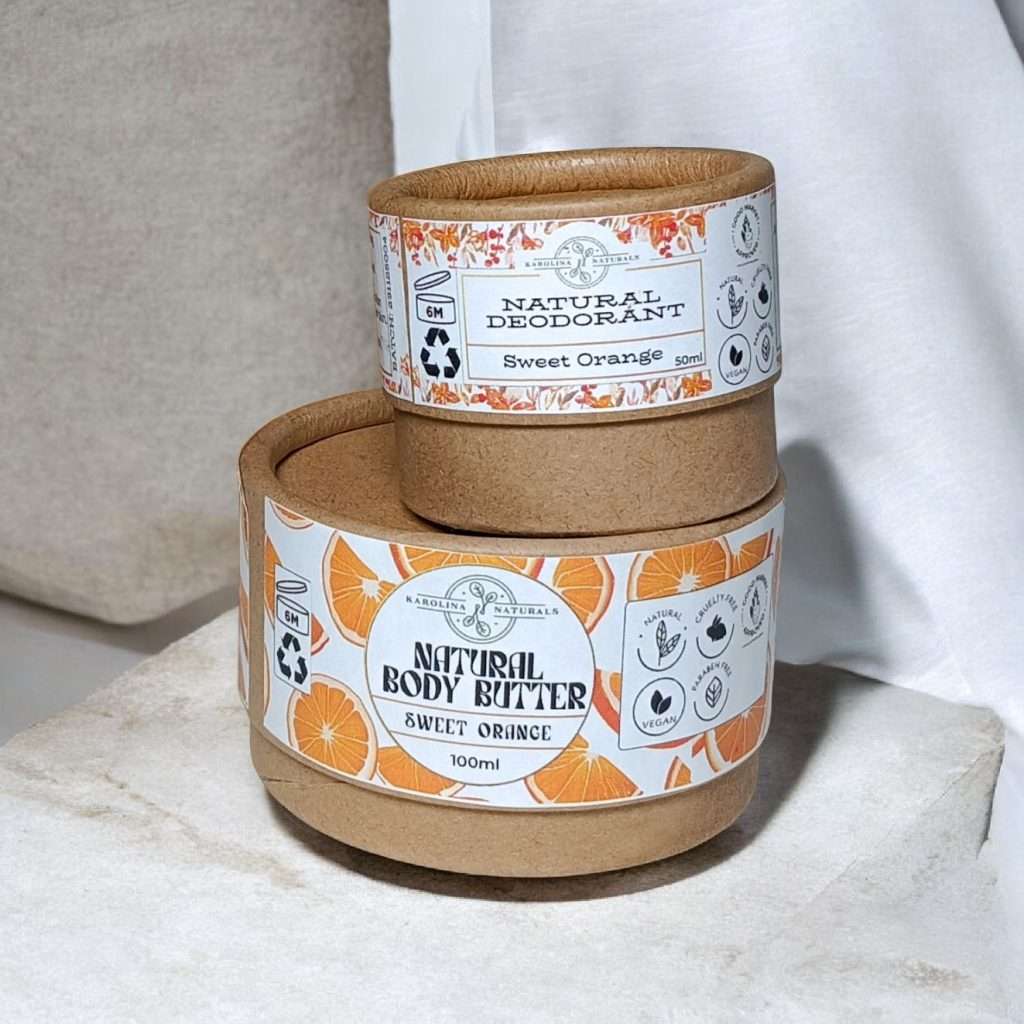
How to compost:
- Remove the sticker and put it in the recycling bin.
- Wash the pots with warm water.
- Pop them in your compost bin and let nature do the rest.
It’s as easy as that! By composting, you’re giving your packaging a second life as nutrient-rich soil.
For best results, add it to an active home compost with a good mix of greens and browns, and give it time. In my own test, it took around 6–8 months, but this can vary depending on temperature, moisture and how active your compost is.
Better Choices Already Exist
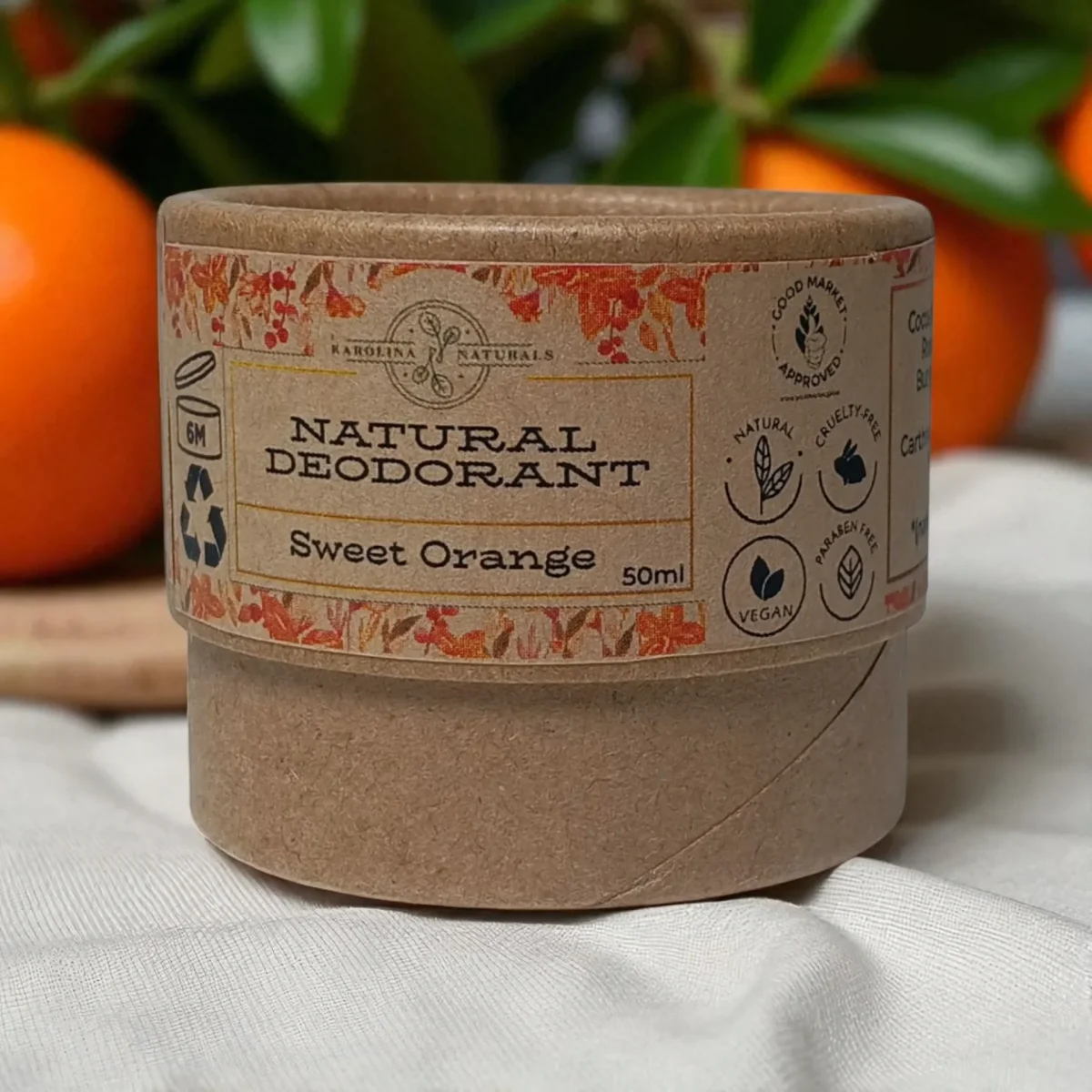
I know packaging is not always simple. There is no single perfect solution that works for every product.
But I do believe better choices already exist.
Home compostable packaging, reusable glass jars, recyclable aluminium caps and return schemes all help us move closer to a lower waste way of shopping.
For me, it is about progress, not perfection. I want to create products that are kind to your skin, but also kinder to the planet.
So when you choose Karolina Naturals, you are not only choosing natural skincare. You are also supporting a small business that is trying to reduce waste, reuse more, and make better packaging choices wherever possible.
Thank you for being part of that.

Karolina
Founder & Owner, Karolina Naturals