Those who know me know that I’m deeply in love with nature. As a horticulturist and a permaculture designer, I have always been fascinated by resilience and living off-grid, striving to understand how humans can live in harmony with natural systems.
It makes me truly happy to share this side of my knowledge. Gardening, sustainability, and caring for our planet aren’t just interests of mine, they’re my way of life.
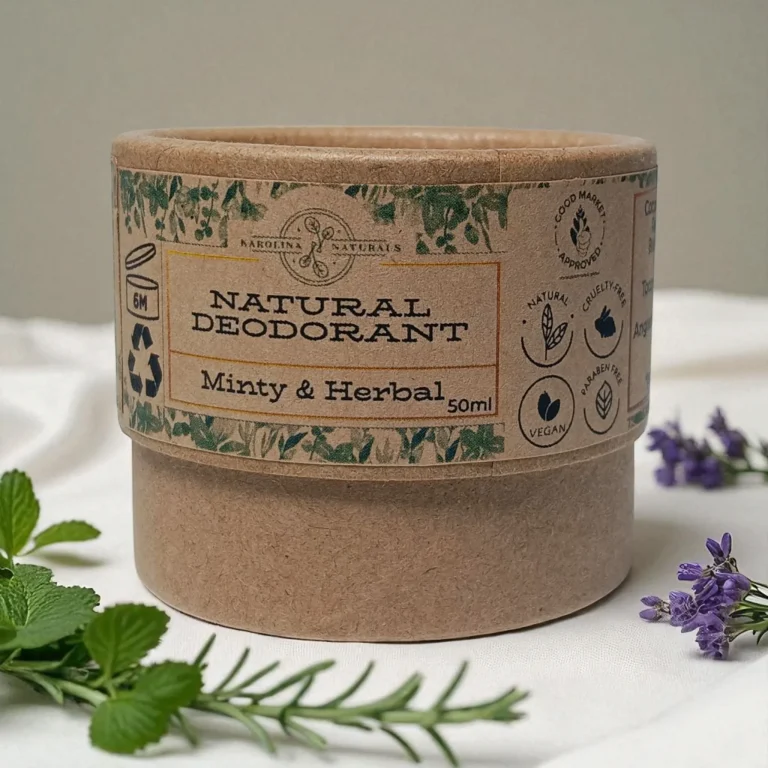
In many ways, this passion is exactly how my natural skincare brand was born. Skincare should heal, protect, and nourish – using nature, not chemicals. After all, our skin is our largest organ, and it just doesn’t feel right to coat it with synthetics.
Every time we rinse off a conventional product, we’re sending a cocktail of chemicals downstream, affecting ecosystems and ourselves.
Today, I want to take a step back and talk about something at the heart of everything I do: permaculture.
Why everyone should hear about it, and why i believe that it could help heal our planet.
Table of Contents
What is Permaculture?
Permaculture, for those unfamiliar, is a philosophy of designing systems, whether gardens, communities or homes, that mimic the resilience and sustainability of natural ecosystems. It’s about creating harmony, reducing waste, and nurturing life in all its forms.
At its core, permaculture teaches us to observe and learn from nature, to use resources wisely, and to create systems that give back as much as they take. It’s based on three core ethics – Earth Care, People Care, and Fair Share – and 12 principles that guide sustainable, regenerative living. It can be as simple as growing your own food, composting kitchen scraps, or planting flowers that support pollinators.
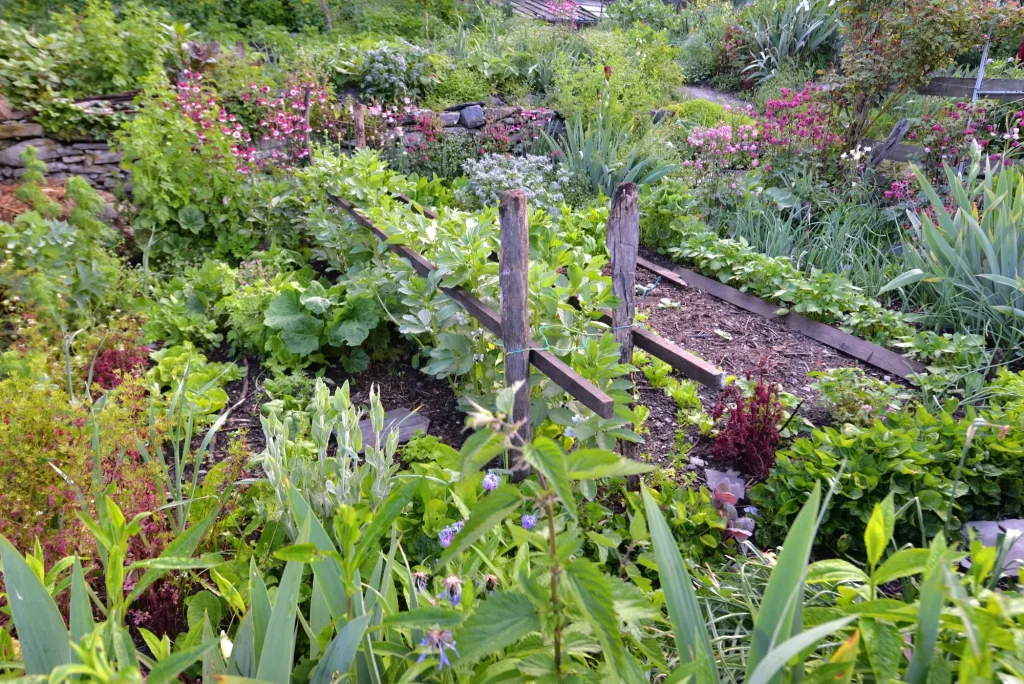
But it can also transform entire landscapes, turning gardens, lawns, driveways, or even small patios into thriving, life-filled spaces.
Why Everyone Should Hear About It (and How It Could Heal Our Planet)
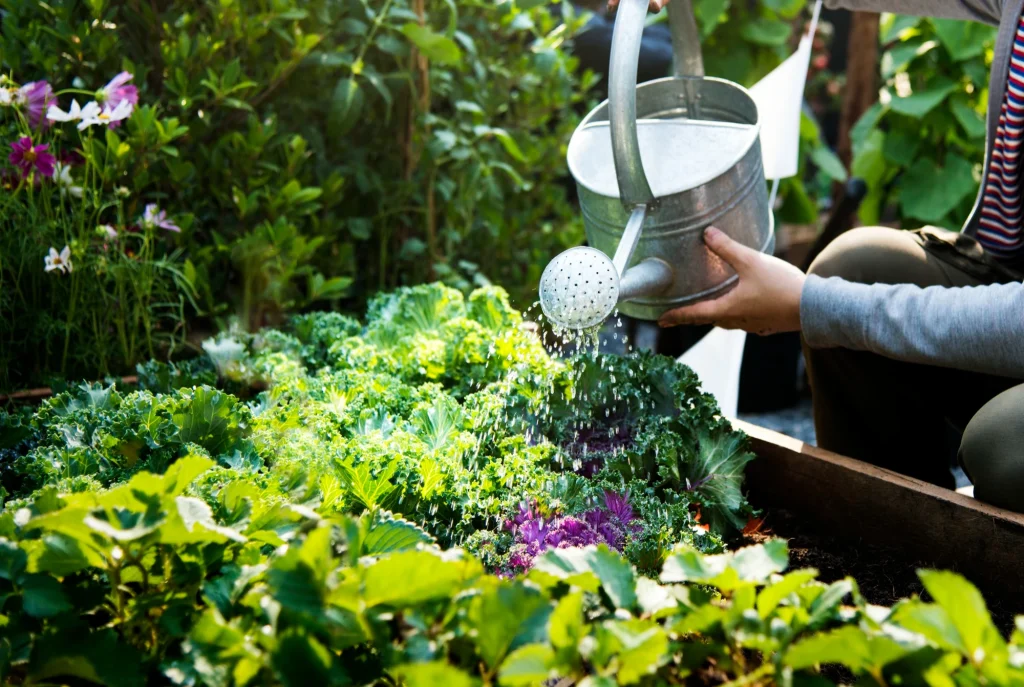
One of the most powerful permaculture lessons is regeneration: instead of merely sustaining what exists, permaculture shows us how to repair and restore ecosystems that have been damaged.
There are countless stories of people transforming degraded land into thriving food forests, rich with life and biodiversity. Through careful design, soil restoration, and thoughtful plant selection, areas once considered hopeless have become lush environments that support both people and wildlife. These examples remind us that nature, when supported rather than exploited, has an incredible ability to heal – and that we can help guide and accelerate that process.
Permaculture isn’t just about gardening, is a holistic design system that goes far beyond that. As more people look for ways to live in balance with the environment, permaculture is gaining attention. It offers a way to create sustainable food systems, reduce waste, and promote regenerative practices.
Its flexibility is part of its strength. Whether on urban rooftops or rural farms, permaculture adapts to different contexts and encourages experimentation, allowing people to design solutions that suit their unique needs.
It also teaches us how small, intentional actions can create ripple effects. Growing your own food, composting, planting pollinator-friendly species, or reimagining an unused outdoor space can all contribute to healthier ecosystems and improved well-being.
Loss of Biodiversity
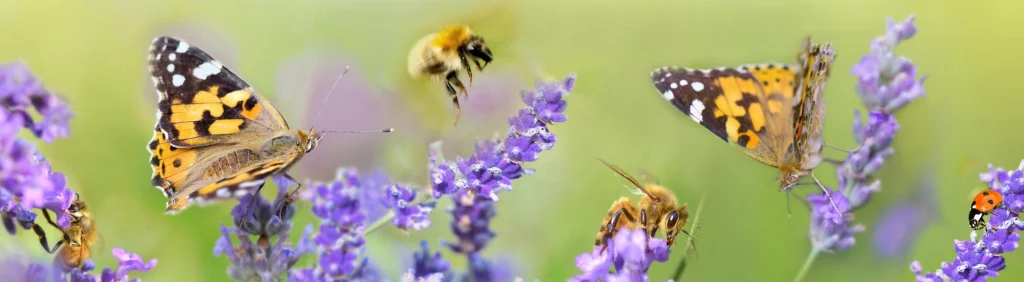
The loss of biodiversity is a major challenge facing our planet. According to the World Wildlife Fund, the global wildlife population has declined by 68% since 1970. This loss of biodiversity is mainly due to habitat destruction, pollution, and climate change. As we lose more and more species, we also lose the important ecosystem services they provide, such as pollination and pest control.
Permaculture can help restore biodiversity by creating habitat for wildlife and promoting regenerative practices. For example, planting a diversity of plants in a permaculture garden can attract a range of pollinators and beneficial insects.
Permaculture systems also use techniques such as rainwater harvesting, swales, and other water conservation strategies to reduce water usage, minimize runoff and soil erosion. This can help to support local biodiversity by ensuring that there is enough water available for plants and wildlife to thrive.
20 Practical Ways to Apply permaculture principles in Everyday Life
There are many ways that you can put permaculture principles into practice in your daily life, even if you don’t have a large property or access to a garden. Here are some ideas to get you started:
1. Start with small changes: Begin by making small changes to your daily routines and habits. Avoid changing everything at once to prevent feeling overwhelmed and falling back into your old habits.
2. Grow your own food: Even if you don’t have a large garden, you can grow your own food in containers or small raised beds. Choose plants that are well-suited to your local climate and soil conditions, and use companion planting techniques to maximize yields and promote biodiversity.
3. Learn how to care for the soil: Understanding proper soil care is essential for sustainable gardening and farming. By learning effective techniques, you can enrich the soil, promote plant growth, and contribute to a thriving ecosystem.
4. Compost and recycle: Compost your food waste and recycle as much as possible. More about composting here: https://horticulture.co.uk/blogs/growing/how-to-start-a-compost-bin
5. Use natural pest control methods: like companion planting and attracting beneficial insects.
Avoid the use of chemical weed killers, which has raised concerns about its potential environmental and health impacts.
Learn about the potential risks of one of the most popular weed killer – Roundup, and explore eco-friendly alternatives for effective weed management.
https://www.drugwatch.com/roundup
https://www.drugwatch.com/roundup/alternatives
6. Use natural cleaning products: Switch to natural cleaning products, like vinegar and baking soda, instead of harsh chemicals that can harm the environment.
Look for products that use natural, plant-based ingredients and avoid those that contain toxic or harmful chemicals.
Learn how to make your own eco-friendly cleaning products:
https://madeleineolivia.co.uk/20-diy-natural-cleaning-recipes-hacks-tips/
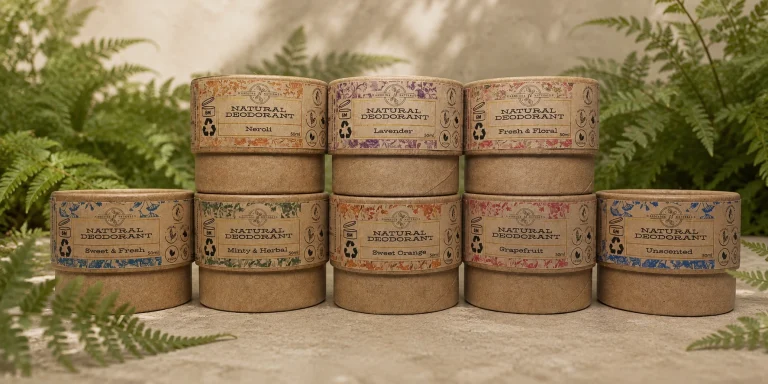
7. Choose natural, zero waste skincare: Opt for skincare products made with natural ingredients and recyclable or home-compostable packaging.
You can explore natural, zero-waste options at karolinanaturals.co.uk
8. Make your own personal care products: like hand soap or hair care, to reduce waste and avoid harmful chemicals.
9. Grow plants for your own natural skincare: Grow herbs like rosemary, calendula, and lavender to create your own natural skincare products. I’ll be sharing a detailed blog post on this soon!
10. Learn about sustainability: Educate yourself on how to become more sustainable. Look for more information in my future posts.
11. Switch to reusable products: such as water bottle, grocery bags, containers for food storage, straws, cleaning cloths, makeup remover pads, water filters, razors, rechargeable batteries etc.
12. Support local farmers: Buying produce from local farmers and farmers markets is a great way to support sustainable agriculture and reduce the environmental impact of food transportation. Look for farmers who use regenerative practices and support their efforts to promote biodiversity.
13. Use renewable energy: Switching to renewable energy sources, such as solar or wind power, can help reduce your carbon footprint and support a more sustainable future.
14. Learn more about permaculture: There are many resources available online and in print that can help you learn more about permaculture principles and how to put them into practice. Look for books, videos, and online courses that can help you deepen your understanding of permaculture and its potential to create a more sustainable future.
You can learn more about permaculture etics, design and much more here: https://www.permaculture.org.uk/what-is-permaculture
Permaculture ethics: https://www.permaculture.co.uk/articles/what-is-permaculture-part-1-ethics/
Percmaulture principles: https://www.permaculture.co.uk/articles/what-is-permaculture-part-2-principles/
15. Use rainwater harvesting systems: to capture and store water for later use.
16. Incorporate small livestock: Incorporate chickens or other small livestock to provide fresh eggs and fertilizer.
17. Use natural fertilizers: like compost and manure instead of chemical fertilizers to promote healthy soil.
18. Plant native species: to support local biodiversity and reduce water usage.
19. Use a bicycle or public transportation: if you can, to reduce your reliance on fossil fuels.
20. Practice sustainable agriculture techniques: like no-till farming, intercropping, and cover cropping.
How I Use Permaculture at Karolina Naturals
At Karolina Naturals, both the ethical foundations and design principles of permaculture guide every decision I make.
The ethics are central:
- Care for the Earth – protecting soil, water, plants, and ecosystems;
- Care for People – ensuring human needs are met in a fair and sustainable way;
- Fair Share / Return of Surplus – redistributing surplus resources such as time, energy,or materials to support both the Earth and people.
The design principles also shape my approach:
- Use and Value Renewable Resources and Services – minimizing dependence on non-renewable inputs;
- Produce No Waste – turning outputs into resources and recycling nutrients and materials wherever possible.
In practice, this means that every ingredient I select is evaluated not only for skin efficacy, but also for its ecological impact, biodegradability, and ethical sourcing. I make sure that the plants and materials I use are harvested responsibly and never taken from endangered species, with full respect for natural cycles and the communities involved in their cultivation.
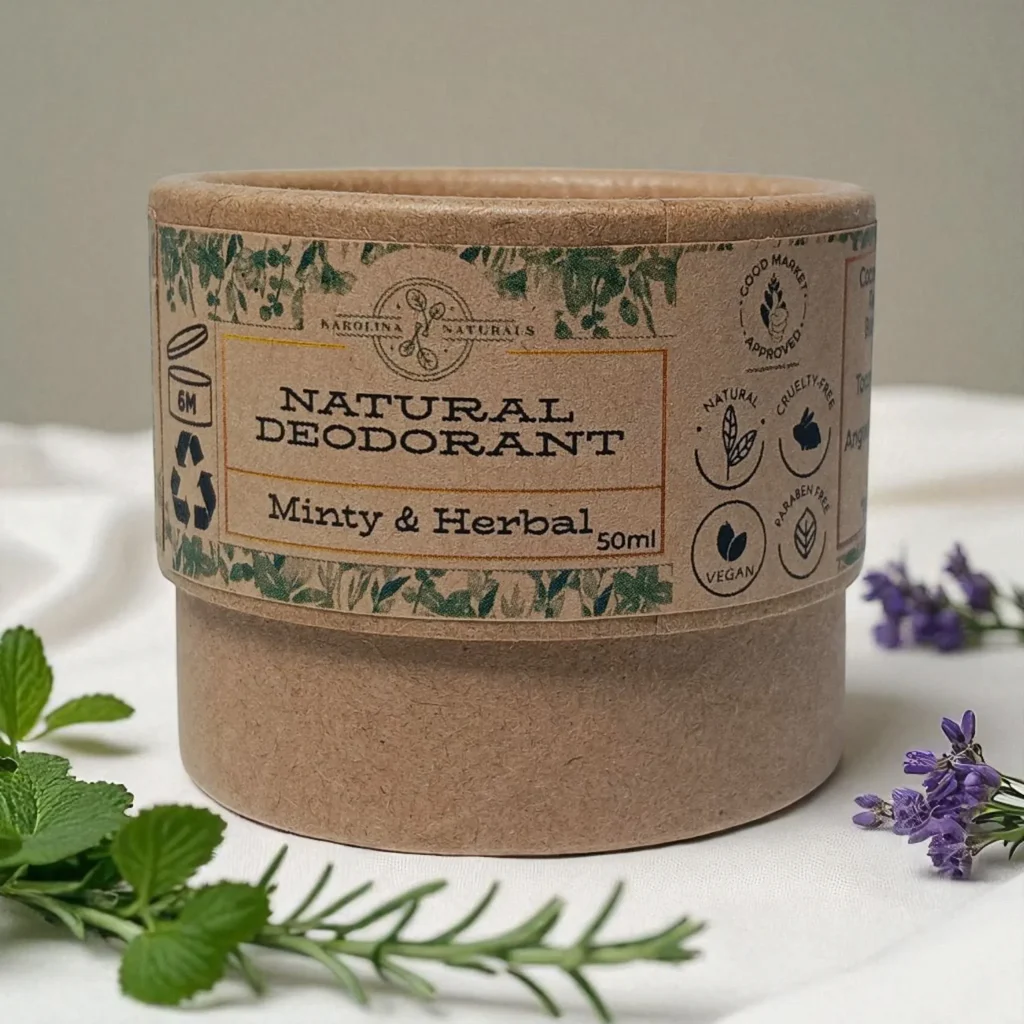
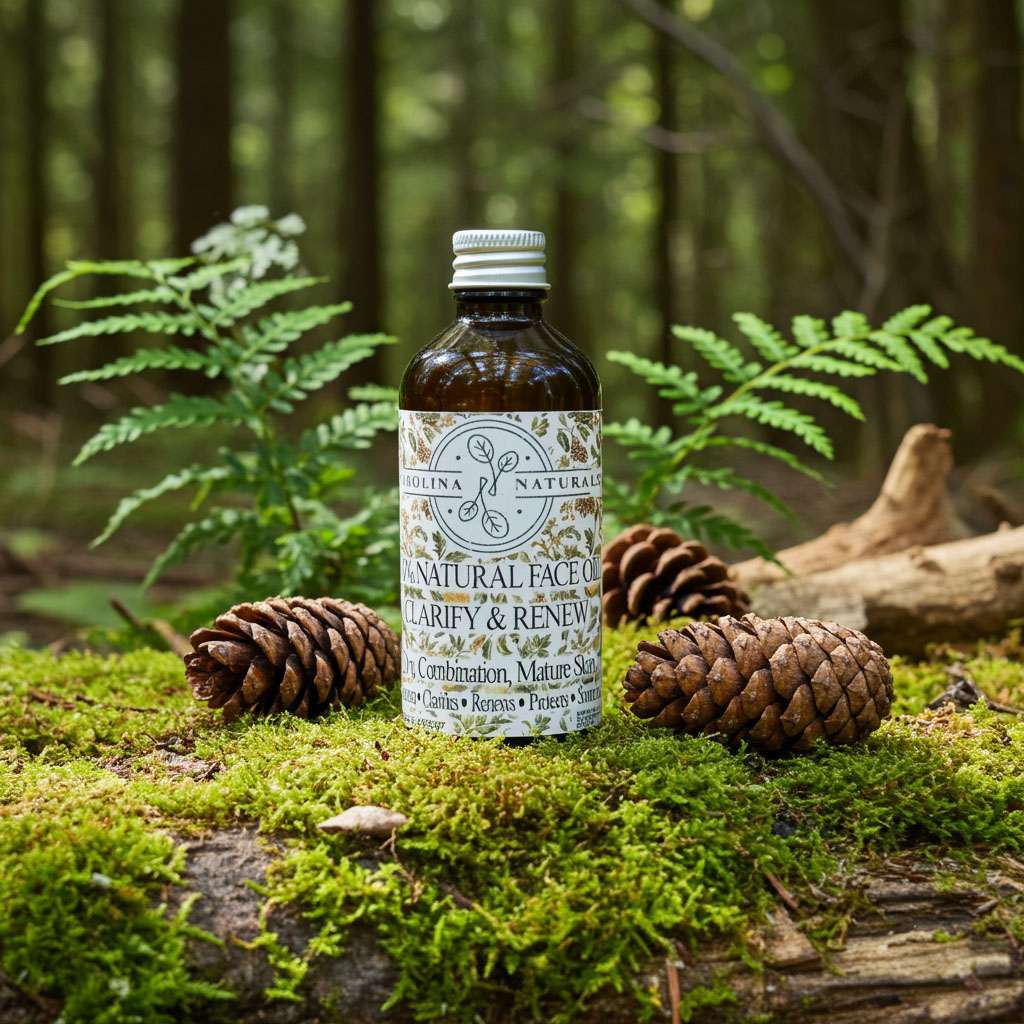
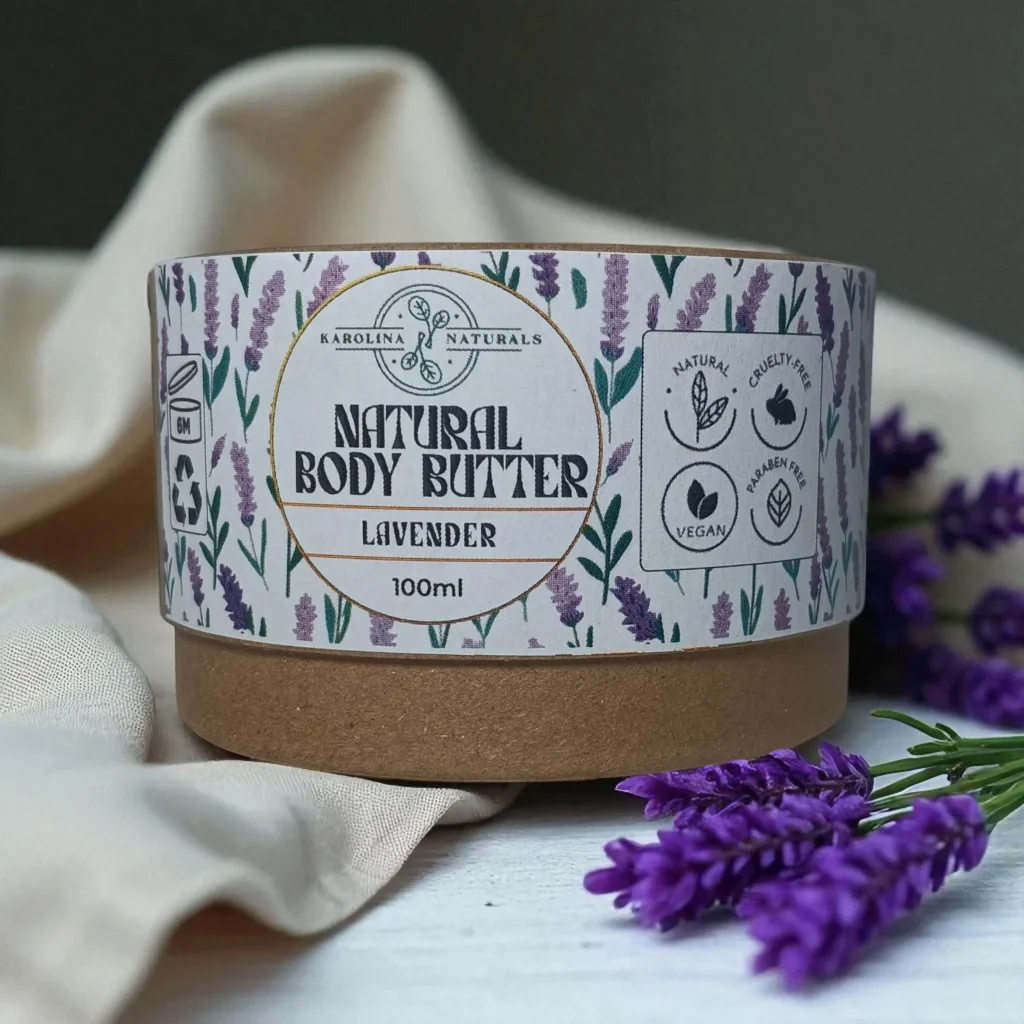
At every stage, from sourcing to packaging, my focus is on creating closed-loop systems that reduce waste, use resources efficiently, rely on renewable inputs, and ensure packaging can be safely composted, recycled or reused.
Summary
I hope this post has sparked your curiosity about permaculture and shown how its principles can guide both our daily lives and the choices we make for the planet.
From growing your own food to choosing sustainable skincare, every small step can create ripple effects for the environment. At Karolina Naturals, permaculture is a way of creating products that care for both your skin and the world around us.
I hope you feel inspired to explore these practices, nurture nature, and discover how small, intentional actions can make a big difference.